MRI and CT scans are used extensively to assist the diagnosis of acute and chronic pain originating from the spine. This information assists in understanding what types of changes in the spine are considered “normal” with ageing and that the presence of these changes do not always result in debilitating symptoms or require medical or surgical treatment.
As with the other joints in the body, with spine undergoes changes with increasing age. These changes include loss of disc height, disc bulges, osteophytes, enlarged facet joints and overgrown soft tissues. Degenerative changes can also affect the degree of curvature of the spine, such as increased thoracic kyphosis in the upper back or lumbar lordosis in the lower back.
DR JUSTIN PIK
Neurosurgeon and Spine Surgeon
DR MICHAEL OW-YANG
Neurosurgeon and Spine Surgeon
Major Scientific Review Finding
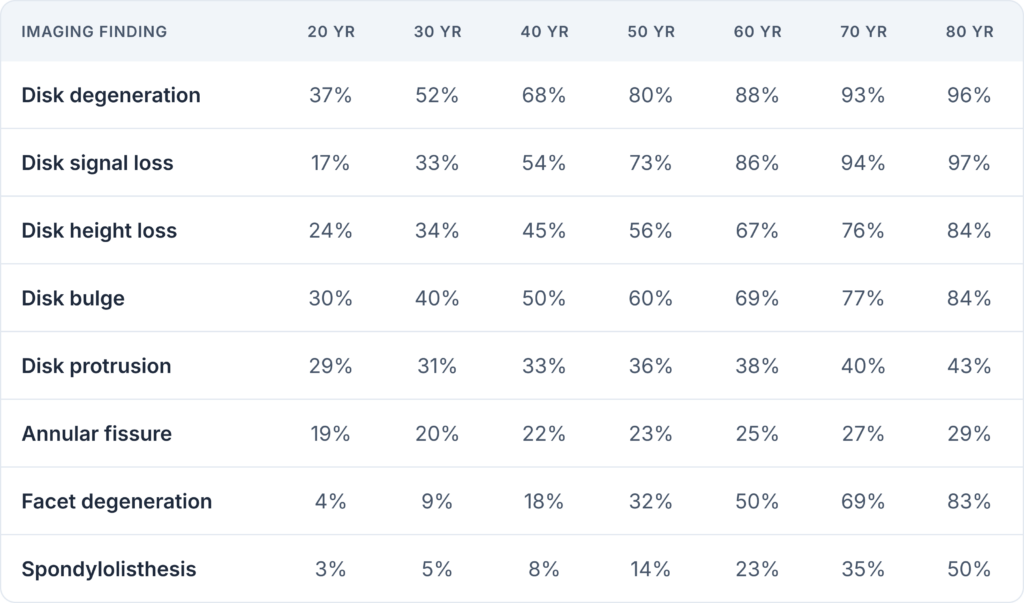
A comprehensive review examined MRI and CT scans of 3,110 individuals across different age groups.
NONE of these patients had any spinal symptoms.
Note: Table shows prevalence percentages of findings visible on CT or MRI scan in asymptomatic individuals.
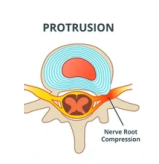
Normal Disc
protrusion
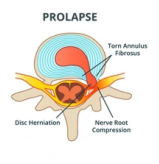
prolapse
Key Takeaways for Patients
Disc Degeneration
Commonly present even without symptoms:
In 20s
0%
In 50s
0%
In 80s
0%
Disc Bulges
Commonly present even without symptoms:
In 20s
0%
In 50s
0%
In 80s
0%
Conclusion: Normal degeneration in the spine is increasingly visible as we age, but frequently occurs in people who have no pain or neurological symptoms. Seeing these findings on a scan is often a normal part of aging.
MRI Findings in Patients Needing Surgery
Findings from a study of 2,021 patients assessed by a spine surgeon in Canada (Cheng et al. 2010)
What Actually Matters?
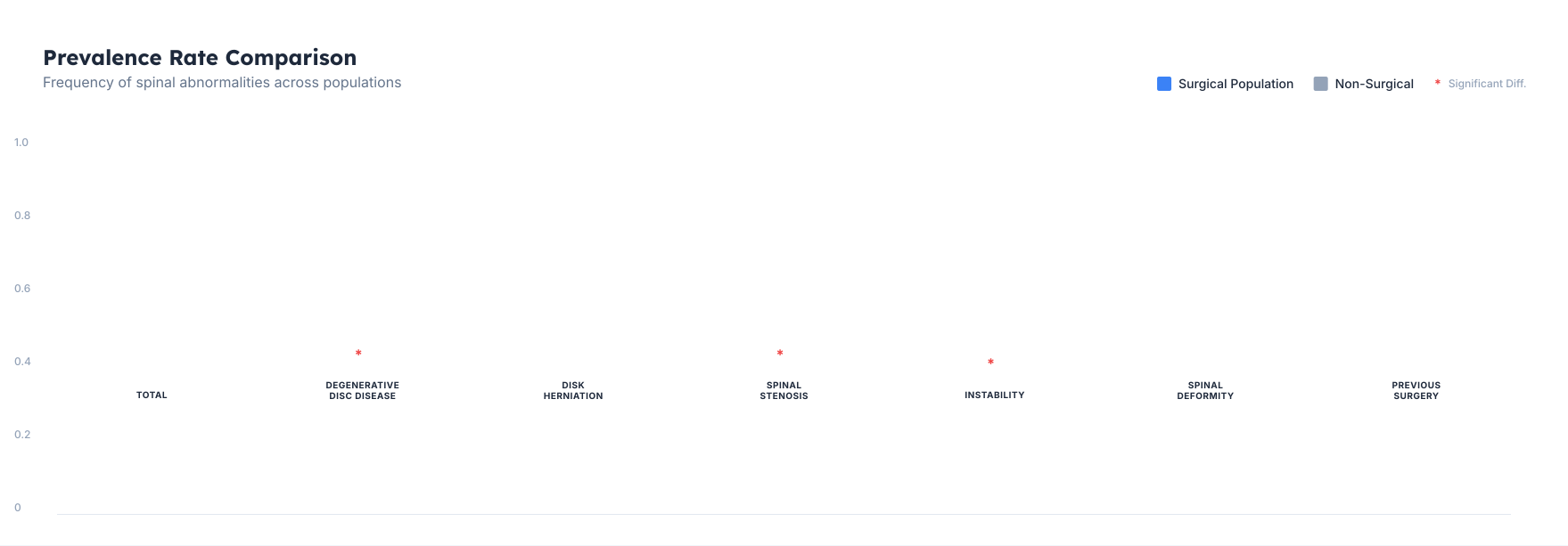
While many MRI changes are common as we age, two specific findings were significantly correlated with the necessity of surgery:
Spinal Instability
Excessive movement between vertebrae
Spinal Stenosis
Narrowing of the spinal cord canal
The Role of Disc Herniation
Scans showing Disc Herniation did not significantly differentiate between those needing surgery and those who didn’t.
Key Clinical Indicator
Only patients with severe neurological symptoms resulting from disc herniation typically required surgical intervention.
MRI Findings in Surgical vs. Non-Surgical Patients
A study of 2,021 patients (Cheng et al. 2010)
Core Insight: Many MRI changes are a normal part of aging.
Summary & Relevance
MRI findings such as degenerative changes are often normal aging and don’t necessarily cause pain or require treatment. Scans are rarely helpful in early-stage pain without neurological symptoms like severe weakness or loss of
bladder control.
The Role of Surgery
MRI findings specifically correlate with the patient's physical symptoms.
Symptoms are severe and fail to improve with conservative treatments like physiotherapy.
Evidence-Based Medical Resource • Reference: Cheng et al. (2010) • For Educational Purposes Only
Our quality service to our patients and customers starts from your very first contact with our practice.
Quick Links
Useful Links
contact info
Suite 15 Level 5
National Capital Private Hospital
Cnr Gilmore Crescent and Hospital Road
GARRAN ACT 2605