Lumbar discectomy

This patient advisory is intended to provide you with general information. It is not a substitute for advice from your neurosurgeon. You are encouraged to discuss the benefits and risks of discectomy with your neurosurgeon.

What is a Lumbar Discectomy?

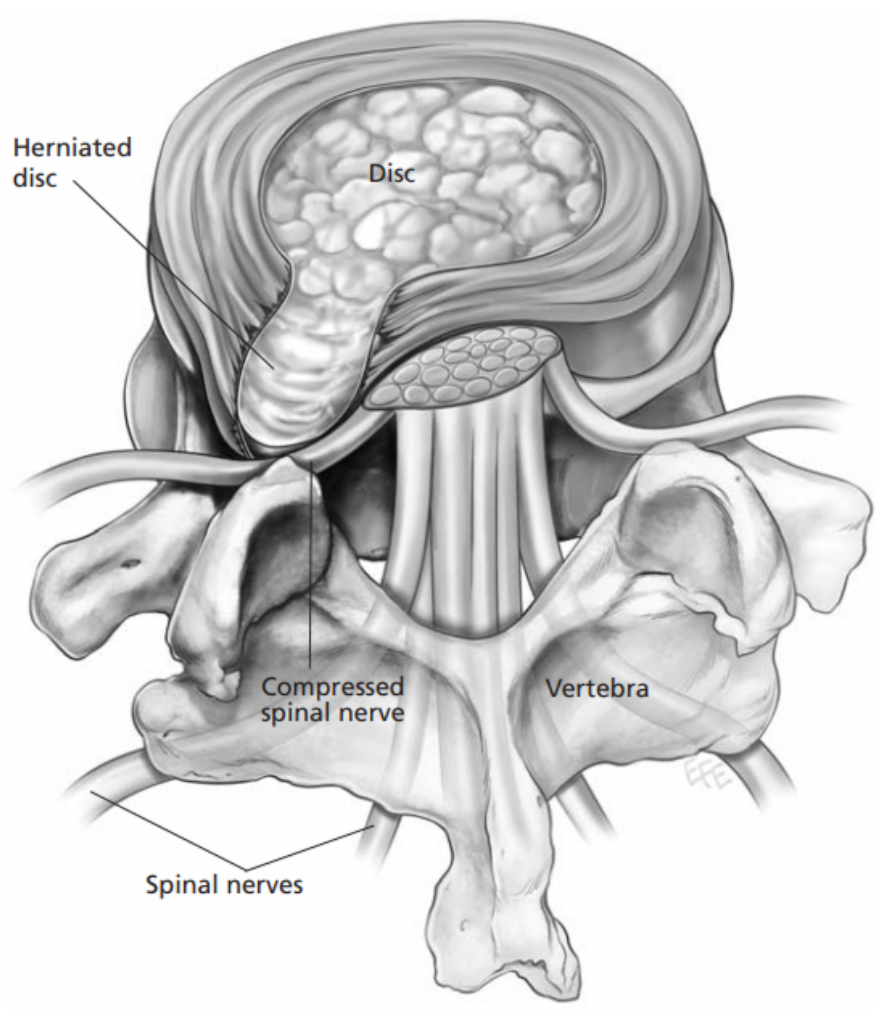
Lumbar discectomy is a surgical procedure to remove part of a disc that is pressing on spinal nerves in the lower (lumbar) back. Discs are soft but strong, thick cushions that sit between each vertebra of the spinal column. They are resilient to the mechanical forces placed on them but can become damaged through age or trauma, such as heavy lifting. This damage is called “herniation”. The most common symptoms are pain in the lower back, buttocks, hip, thigh and leg, numbness, tingling and weakness in the legs. In serious cases, bladder and bowel control may be impaired or lost.

Diagnosis

Diagnostic Imaging

MRI, CT scans, and X-ray examinations reveal the anatomy of a herniated disc and the precise location of nerve compression.

Clinical Examination

Your surgeon will examine your strength, reflexes, and ability to feel pain to plan the best treatment for you.

Treatment Options

When a disc herniates, the protrusion may press into the spinal canal or on a nearby spinal nerve, compressing or “pinching” it.

Anaesthesia

Lumbar discectomy is usually performed under general anaesthesia.

Potential Risks

Modern procedures are safe but carry risks of side effects. Although uncommon, complications are possible and should be discussed with your surgeon.

Our quality service to our patients and customers starts from your very first contact with our practice.

contact info
Suite 15 Level 5 National Capital Private Hospital Cnr Gilmore Crescent and Hospital Road GARRAN   ACT   2605

Copyright 2026 Capital Neurosurgery – All rights reserved.

Website designed and developed by Studio Who