What is a Peripheral Nerve?
A peripheral nerve is any nerve that is outside the brain and spinal cord. The most common causes of nerve damage are:
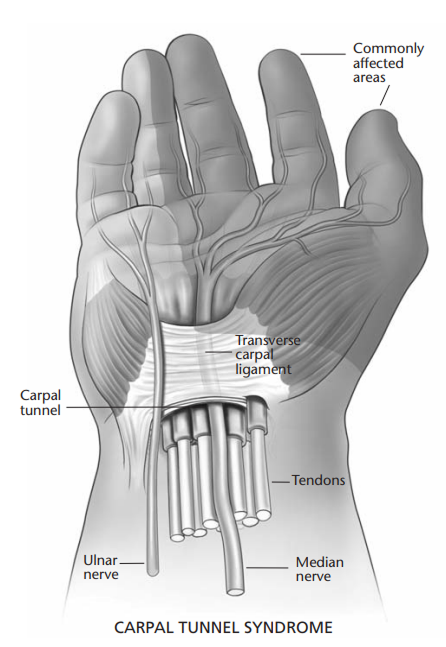
• Entrapment and compression – a peripheral nerve that runs through a narrow area may become trapped and compressed. Symptoms can include pain, tingling, numbness and weakness. Common sites of entrapment and compression include the wrist (carpal tunnel syndrome), elbow (cubital tunnel syndrome), neck (thoracic outlet syndrome), knee (peroneal nerve syndrome), and ankle (tarsal tunnel syndrome).
• Acute trauma – such as a stretch injury, or a laceration from a knife or other sharp object.
• Tumour – whether benign (non-cancerous) or malignant (cancerous), serious damage to the peripheral nerve may occur. If a damaged peripheral nerve does not heal well, surgery may be the only effective treatment option.
Surgical procedures
A decision whether to have surgery
As you make the decision whether to have surgery, make sure that you understand the risks, benefits and limitations of surgery. If you do not have surgery, your symptoms and condition may continue to worsen. Only you can decide if surgery is right for you. If you have any questions, ask your surgeon.