Neurosurgeon and Spine Surgeon
A high body mass index (BMI) causes excessive strain on the spine leading to pain, restricted mobility and loss of strength. Reducing body weight is one of the most important steps in reducing back pain. Weight management can be a complex issue and may require professional guidance. There are many health professionals who can assist including your GP, dietitian, physiotherapist, exercise physiologist, psychologist, counsellor, exercise groups and support groups. See our brochure on the Effect of Excess body weight on spine pain or speak to our nurse.
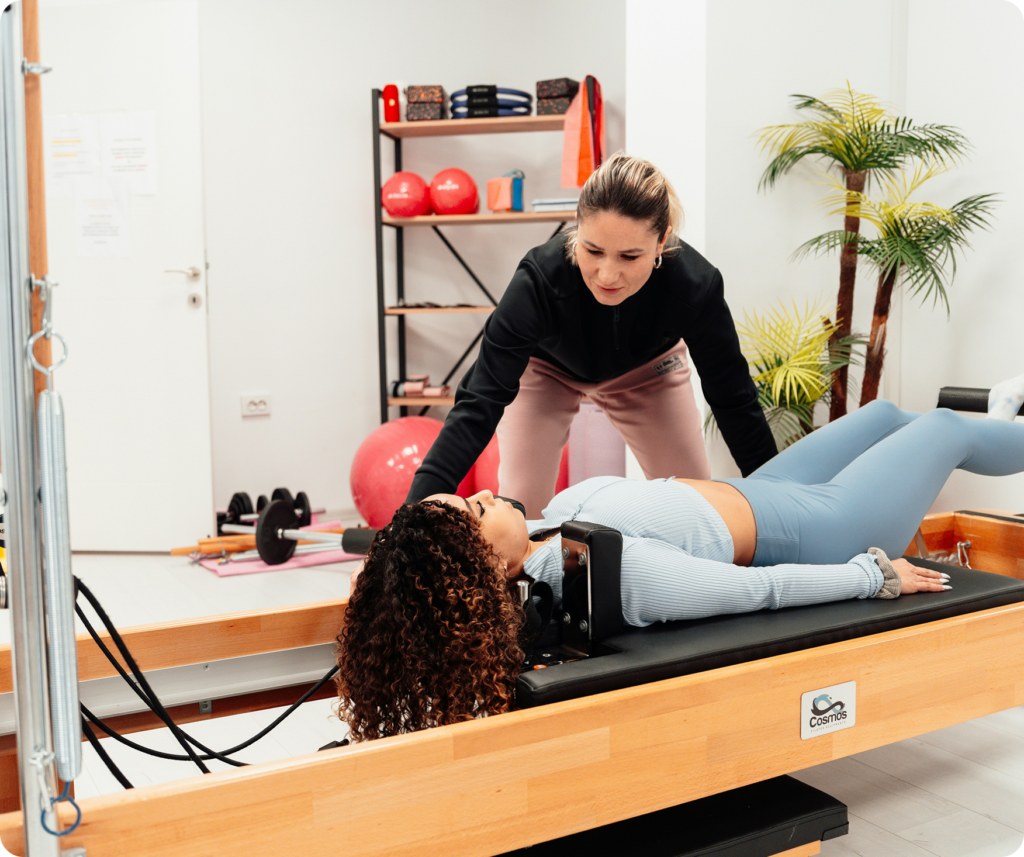
Spine pain can be very debilitating and it is common for people to reduce the activities that may cause pain. However, inactivity leads to other problems including stiff joints, muscle weakness, reduced fitness, loss of balance and co-ordination and may worsen pain or hinder recovery. Moderate physical activity such as walking, cycling, hydrotherapy and gentle exercise programmes are important in maintaining movement, strength, flexibility and the ability to perform activities of daily living. Regular activity can also reduce pain, improve mood and enhance pain coping mechanisms which all contribute to improved quality of life.

The aim of pain medication is to provide relief from severe pain, thereby allowing movement and function, and should be used in combination with other strategies such as exercise and physiotherapy. Your GP may prescribe and monitor the appropriate pain relief medication for you. Your GP and pharmacist will also be able to advise how to use the medication to optimise the results. Some forms of medication need to be taken regularly while others are used only as needed.
CBT is a form of psychotherapy that helps to manage pain by modifying specific thoughts and behaviours. It has been shown to be effective in alleviating spine pain. CBT focuses on changing unhelpful thoughts about pain and disability, working towards positive goals, relaxation skills and pain-coping strategies. There are many online resources available to explain CBT. Your GP, counsellor or psychologist will be able to help you with an individualised approach to CBT and to monitor your progress
Spinal injections are performed by radiologists to reduce inflammation and pain. Local anaesthetic and anti-inflammatory steroid medication is injected in the painful area under CT guidance. The procedure is usually well-tolerated. Facet joint injections target the painful joints on either side of the spine. Epidural injections target the area around the painful nerve roots. Results vary from no relief to long term relief. Injections may be repeated as necessary. A referral from your GP to the radiology practice is required. You do not need to see a specialist to obtain this referral.
Pain management clinics utilise the skills of a multi-disciplinary team of professionals including pain management doctors, physiotherapists, psychologists, counsellors and exercise physiologists. The role of the pain management team is to thoroughly assess all factors contributing to pain and disability and to empower people to effectively manage their pain. This may be achieved though a number of strategies such as education, lifestyle changes, medication and minimally invasive treatments. A referral is required from your GP or specialist to access this service.
Your GP is the coordinator of your medical care and will develop an appropriate plan with you to manage your pain. A holistic and mindful approach to general health & well being might include: nutrition and weight management resources to help patients understand and manage chronic pain optimising sleep hygiene addressing mental and social health. Your GP will be able to :
Our quality service to our patients and customers starts from your very first contact with our practice.
Copyright 2026 Capital Neurosurgery – All rights reserved.
Website designed and developed by Studio Who